
Are you a coffee connoisseur and visiting Bali? Perfect combination! Then do not leave the page because here in this blog we will be decoding where your favourite coffee comes from in Bali, how it is grown, and how it is processed before being finally brought to your table. Let’s explore the unique coffee plantations in Bali with a detailed guide to ease your travel plans.
Bali is a paradise for every coffee lover who is eager to explore coffee plantations and sip the local brew. Bali has lots of coffee plantations and places that can be visited and one can even plan to stay at the coffee resorts. Bali is one of the best coffee-producing countries in the world and produces nearly 600 thousand tons of coffee every year. So next time whenever you are sipping coffee, there is an 80% chance that it is produced and processed in Bali.
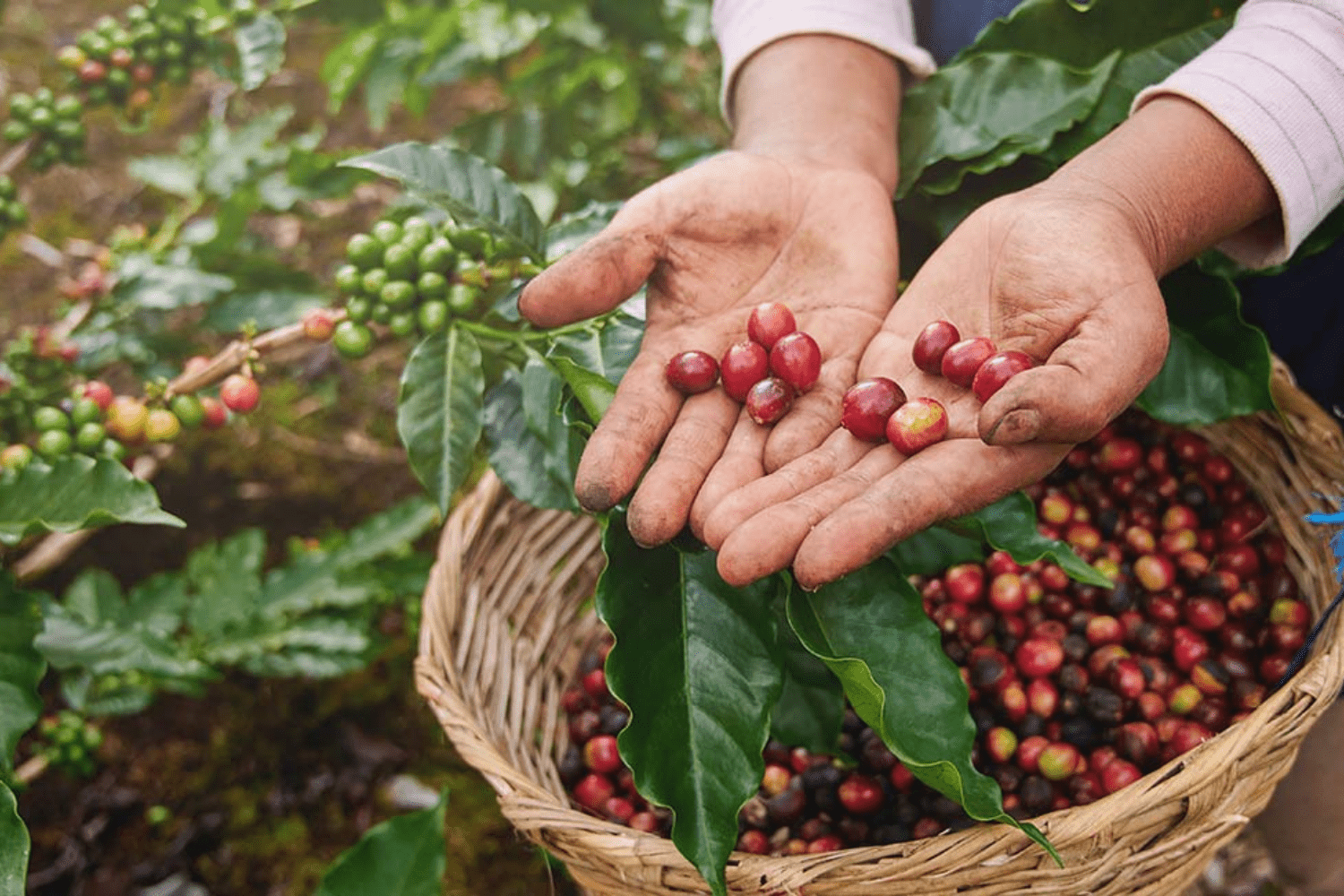
This tour is a great way to have a trip to a coffee plantation in Bali and witness local agriculture, meet some amazing people who have unique taste buds for coffee, and is also an educational trip that lets you know the growth and processing of some excellent coffee. Bali’s coffee plantations are usually found in the most beautiful and exotic locations that let you explore rural Bali and get in touch with the natural environment. And you may also get the opportunity to buy coffee straight from the farm with great deals.
Types of Coffee in Indonesia and Bali

Even though coffee plantations do not belong to Indonesia but to Africa. Many years ago coffee was brought to Indonesia by a Dutch Governor and since then the people of Indonesia have loved and learned the art of cultivating coffee and are since then mastering this art. Eight types of coffee are native to Indonesia and are well-known and loved by people all over the world. They are Arabic Gayo coffee in Sumatra, Kintamani Arabic coffee in Bali, Arabic Toraja coffee in Sulawesi, Ijen Arabic coffee, Liberika Rangsang Meranti coffee in Riau, Flores Bajawa Arabic coffee, Kopi Luwak coffee in Bali and Temanggung Robust coffee.
So when in Bali you can feast yourself with eight different flavours and aromas of coffee!
Unique coffee plantations in Bali

First and foremost let’s introduce you to the most unique coffee that is only available in Bali and its processing is still done with the traditional methods. When coming across the pamphlets and advertising boards of the coffee plantation the term that you will come across is Kopi Luwak Coffee. This is one of the most expensive and weird coffee that is native to Bali and is sold all across the world. Why we have used the word ‘weird’ will be cleared in the next paragraph.
Kopi Luwak coffee also known as civet coffee is made from the coffee beans that are eaten and then excreted by civet cats. I am sure your first reaction after reading this is EEWWWW! So now you know why we called it ‘weird’.
Civet cats are native to southeast Asia and eat coffee cherries and their fruit pulp but their digestive system does not digest them and the beans are excreted in the Civet’s feces. The coffee beans are then cleared of feces and go through a series of processes to produce high-quality and most expensive coffee in the world. The locals say that the poop does not touch the beans but still, it’s weird.
The reason for this coffee to go through this extra processing is that the digestion and fermentation in the Civet’s digestive system removes the acidity of the beans and hence gives a smoother and lower caffeine blend.
Tourists who taste the coffee review it to be similar to other coffees but it is smooth, lighter, and less sour and bitter unlike most of the coffees. This process of going through the digestive system of the Civet Cats makes this coffee the most expensive coffee after the Black Ivory Coffee.
So what are your reviews on Kopi Luwak Coffee, are you going to try it?
The most important thing that comes to mind while sipping the most expensive coffee Kopi Kuwak is whether is it ethical to drink this coffee as it comes under animal cruelty.
In the traditional method of Luwak coffee production the Civet Cats’ poop was searched in the wild and then further processing was done. But now with the increase in business, the civets are caged and are forced to feed the coffee beans because as much as they eat the more they produce poop. So before buying the most expensive coffee do have the complete information about how much that animal has to eat the coffee bean to get that one cup of coffee on your table.