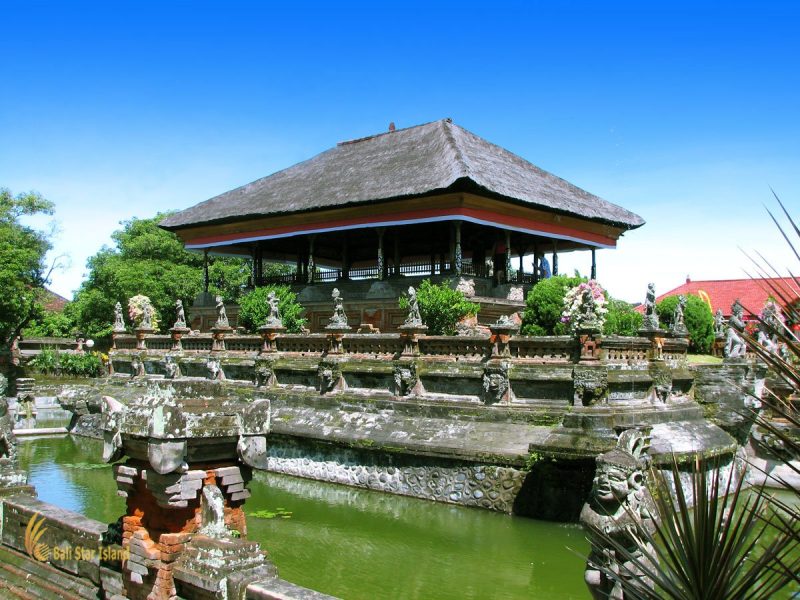
Tirta Gangga is a stunning water palace in Bali, Indonesia, that will take your breath away with its beauty and charm. Built by a king in the 1940s, this royal complex features pools, fountains, gardens, and sculptures that reflect the rich culture and religion of Bali.
Whether you want to swim in the crystal-clear water, feed the colorful fish, explore the lush greenery, or take amazing photos, Tirta Gangga is a must-visit attraction for anyone who loves nature and history. In this guide, we will tell you everything you need to know about Tirta Gangga, including how to reach, when to go, and what to do there. Read on and get ready to be enchanted by this magical water palace.
Things to Do at Tirta Gangga Water Palace
There are plenty of things to do at Tirta Gangga Water Palace that will make your visit memorable and enjoyable. Here are some of the highlights:
Swimming in the pools and fountains:
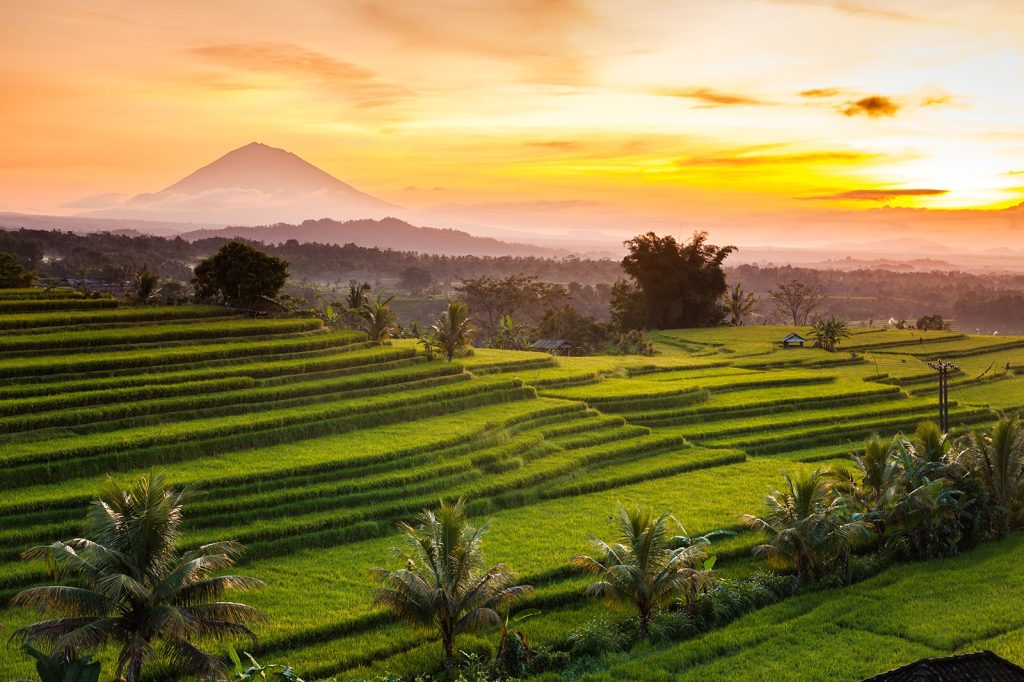
One of the main attractions of Tirta Gangga is the opportunity to swim in the refreshing water of the pools and fountains. The water is sourced from a natural spring and is believed to have healing properties. You can choose from three pools, each with different depths and sizes. The largest pool, called Abang, is the most popular and has a stunning view of the rice terraces and the mountains. The second pool, called Kediri, is smaller and quieter, and has a fountain with a dragon statue. The third pool, called Karangasem, is the shallowest and has a fountain with a lotus flower. The entrance fee for swimming is 20,000 IDR (about 1.4 USD) per person, and you can rent a locker and a towel for an extra fee.
Feeding the fish and admiring the aquatic life:
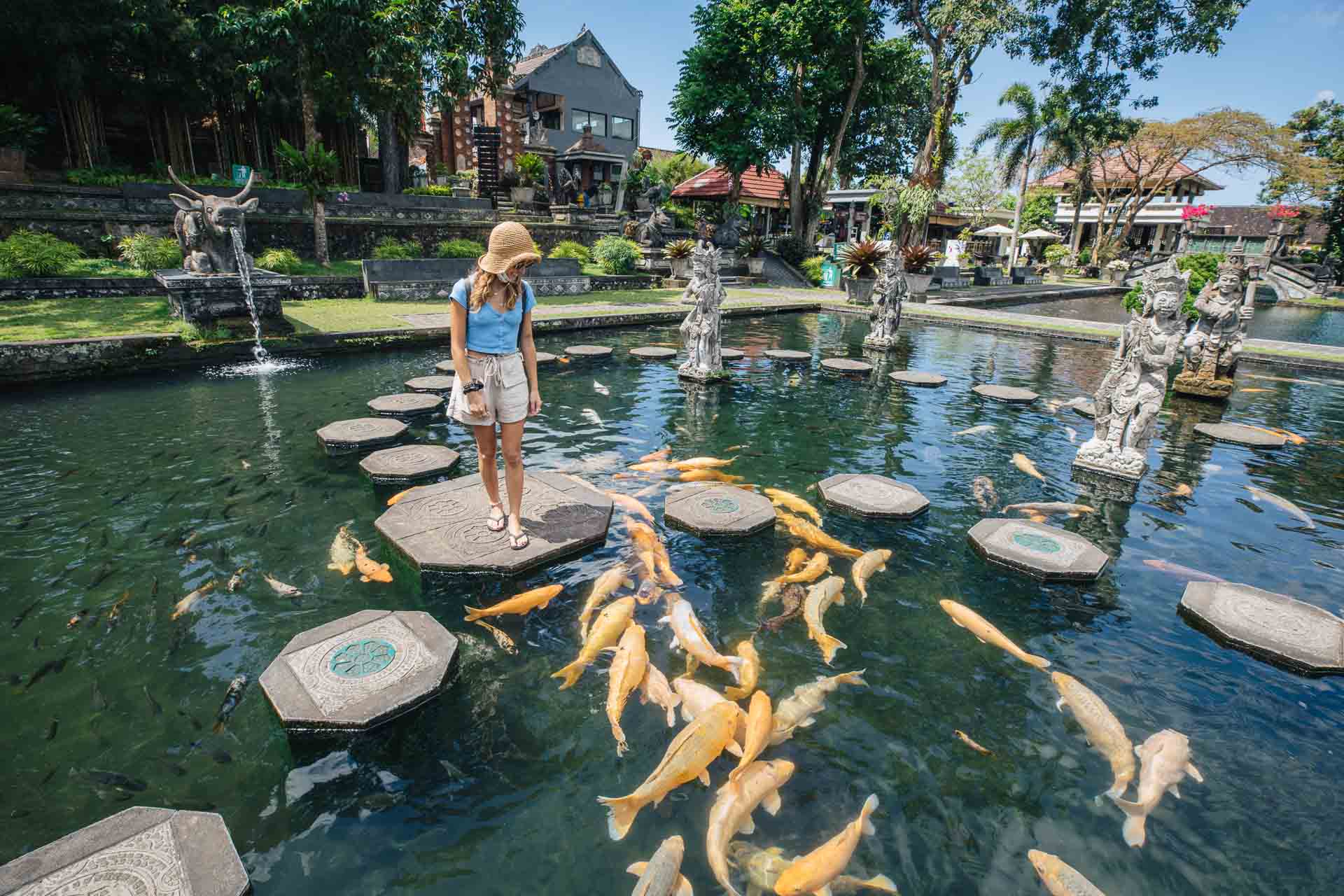
Another fun activity at Tirta Gangga is feeding the fish and admiring the aquatic life. The water palace is home to hundreds of fish, mostly koi and goldfish, that swim around the pools and fountains. You can buy fish food for 5,000 IDR (about 0.4 USD) per bag and watch the fish swarm to your hand. You can also see other aquatic creatures, such as turtles, frogs, and eels, in the water. Feeding the fish is not only entertaining, but also considered a good deed, as the fish are sacred to the Balinese people.
Exploring the gardens and the sculptures:
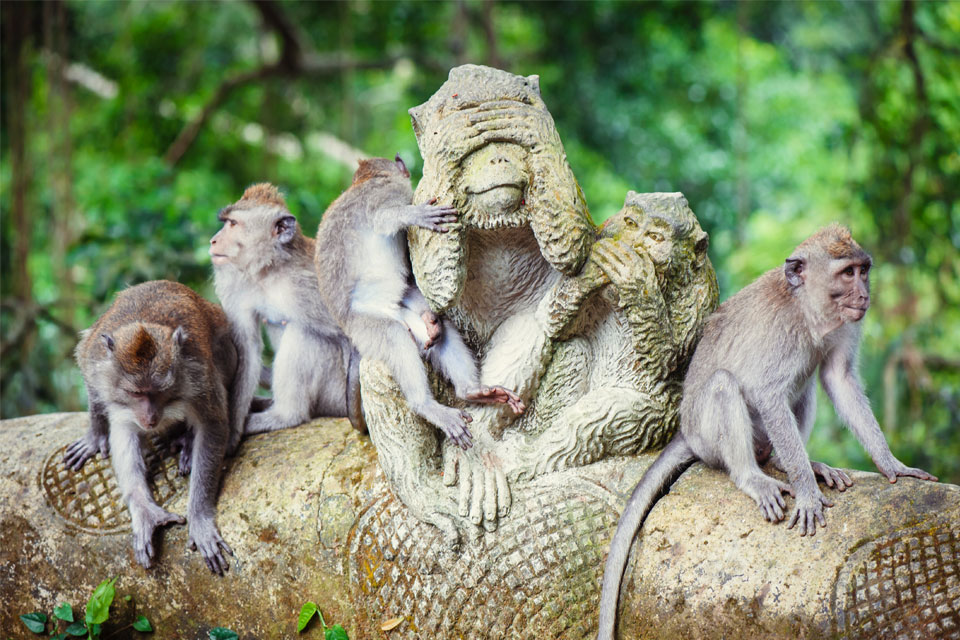
Tirta Gangga is not only a water palace, but also a beautiful garden that showcases the natural beauty of Bali. You can explore the garden and admire the variety of plants, flowers, and trees that grow there. You can also see the sculptures and statues that decorate the garden, such as the mythical creatures, the Hindu gods, and the royal family. The sculptures and statues are made of stone, wood, or metal, and have intricate details and designs. The garden is well-maintained and clean, and you can walk along the pathways and bridges that connect the different areas of the water palace.
Taking photos and selfies with the scenic views:
Tirta Gangga is a paradise for photographers and selfie lovers, as it offers many scenic views and photo opportunities. You can capture the stunning scenery of the water palace, such as the pools, fountains, gardens, and sculptures, as well as the surrounding landscape, such as the rice terraces, the mountains, and the sky. You can also pose with the fish, the statues, or the water features, and create some amazing shots. Tirta Gangga is especially beautiful in the morning and the evening, when the light is soft and the colors are vibrant. You can also use some props, such as umbrellas, hats, or flowers, to add some flair to your photos.
Learning about the culture and the religion of Bali:
Tirta Gangga is not only a tourist attraction, but also a cultural and religious site that reflects the history and the beliefs of Bali. You can learn about the origin, the construction, and the restoration of the water palace, as well as its significance to the Balinese people. You can also learn about the Hindu rituals and ceremonies that take place at the water palace, such as the purification, the offerings, and the prayers. You can also witness the local people performing their daily activities, such as farming, fishing, or cooking, and get a glimpse of their lifestyle and culture.